

The seminar took place throughout January 20, 2026, at UEL.

DIVE Webinar on Digital Transformation Across Five Partner Universities
DIVE Webinar on Digital Transformation Across Five Partner Universities
On the morning of 10 September 2026, as part of the DIVE – DIgitalising Vietnamese Education project (co-funded by the European Union under the Erasmus+ programme), five Vietnamese partner universities came together for an inspiring "digital convergence" webinar!
Opening the session, Dr. Le Viet Thuy of the National Economics University (NEU) presented a strategy framing AI not merely as a technological tool but as a shared strategic capability for the entire university — one in which people remain in the lead, data forms the foundation, and decisions stay firmly the responsibility of humans.
Next, Dr. Tran Ngoc Ha of Thai Nguyen University of Education (TNUE) shared insights into the university's solid IT foundation (16 servers, 100% Wi-Fi coverage), its shift to fully computer-based multiple-choice exams, and its "Digital Talent" project run in partnership with NIC and Samsung.
Taking a different strategic angle, Hue University of Agriculture and Forestry (HUAF) candidly noted that despite digitalising six core operational areas, its systems remain insufficiently connected — and proposed a "Digitization – Integration – Intelligence" roadmap alongside seven priority solutions.
Equally striking was Nha Trang University (NTU), which introduced its NTU Connections digital ecosystem, built on three interlinked axes on a single platform, connecting more than 31,000 students, 741 staff and lecturers, and 17,391 alumni.
Closing out the webinar, Can Tho University (CTU) presented its journey toward becoming a smart university, featuring the MyCTU/MyCTUs mobile app, an automated document-issuing kiosk, a chatbot, and high-performance computing for research.
Following the presentations, discussion grew lively, with participants at all five sites exchanging questions and ideas — a clear sign of the engagement and shared commitment running through the DIVE network.
The webinar gave DIVE's partner network an opportunity to reflect on their digitalisation journeys, exchange practical lessons, and shape future collaboration.


DIVE Project and Ho Chi Minh City Open University Co-organize Training on Change Management and AI Adoption in Higher Education
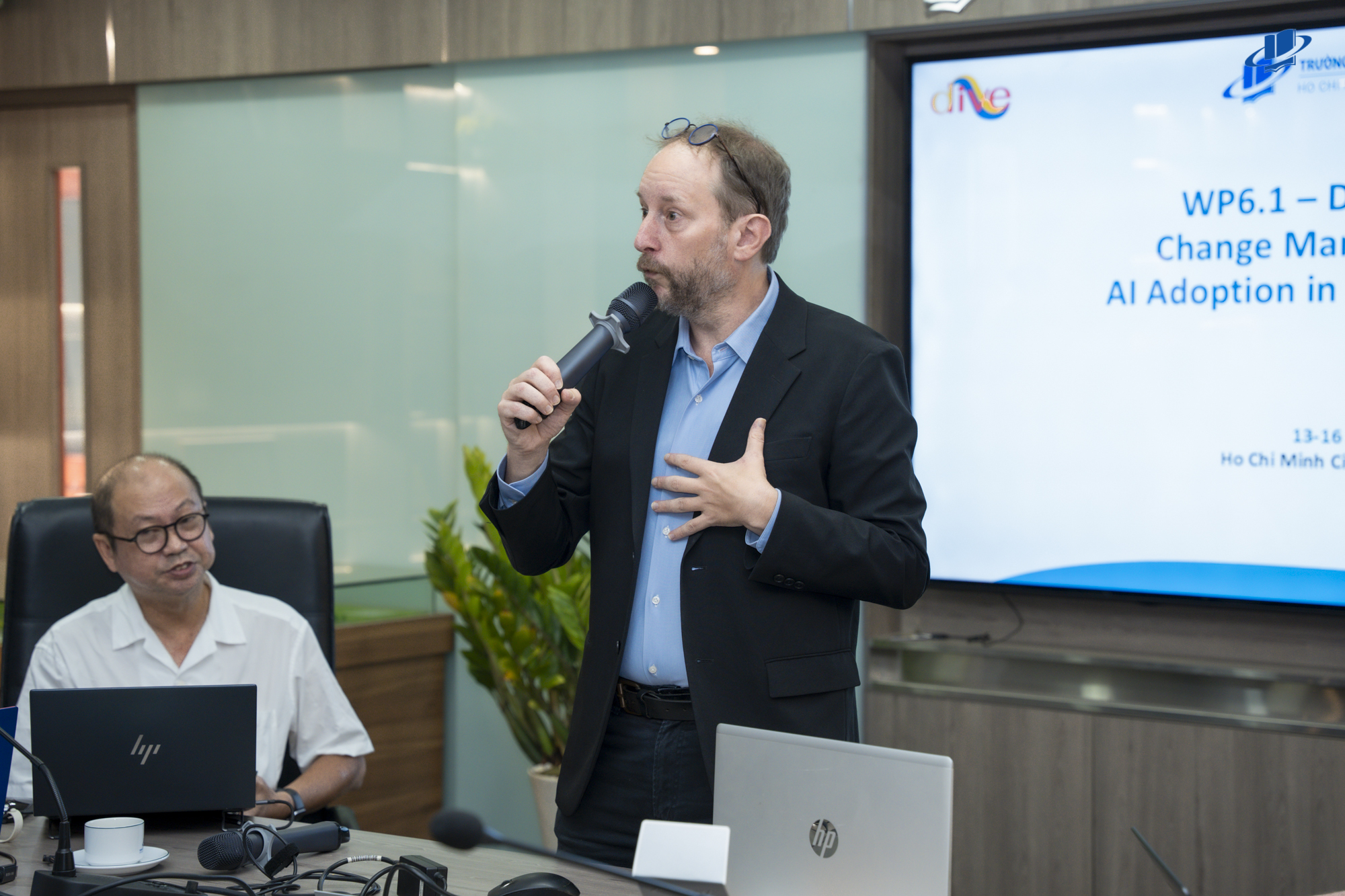
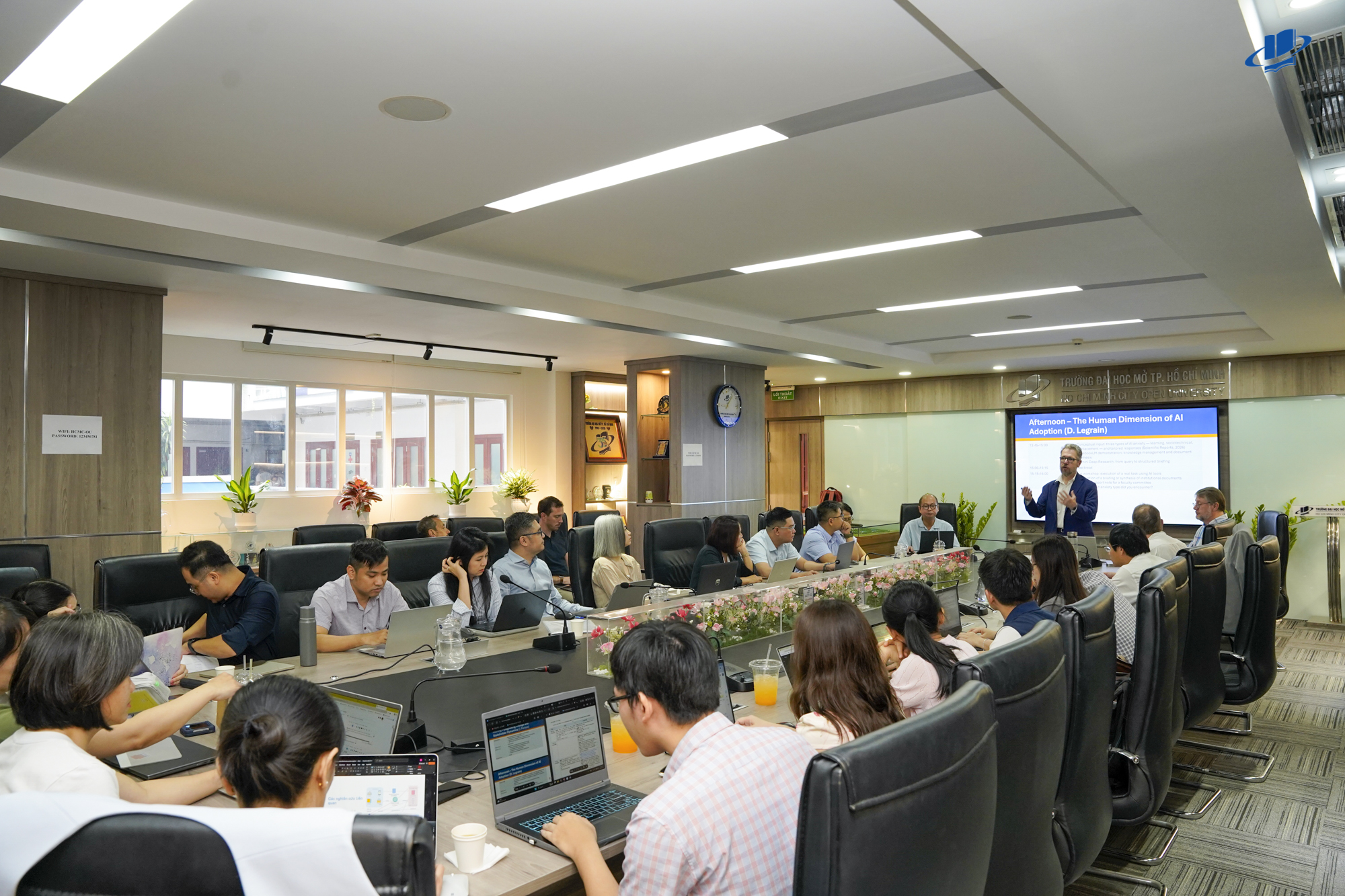
In the context of rapid digital transformation, on the morning of April 13, 2026, the DIVE Project and Ho Chi Minh City Open University co-organized a training program on Change Management and AI Adoption in Higher Education.
The training is part of the DIVE project activities and takes place over four days, from April 13 to April 16, 2026.
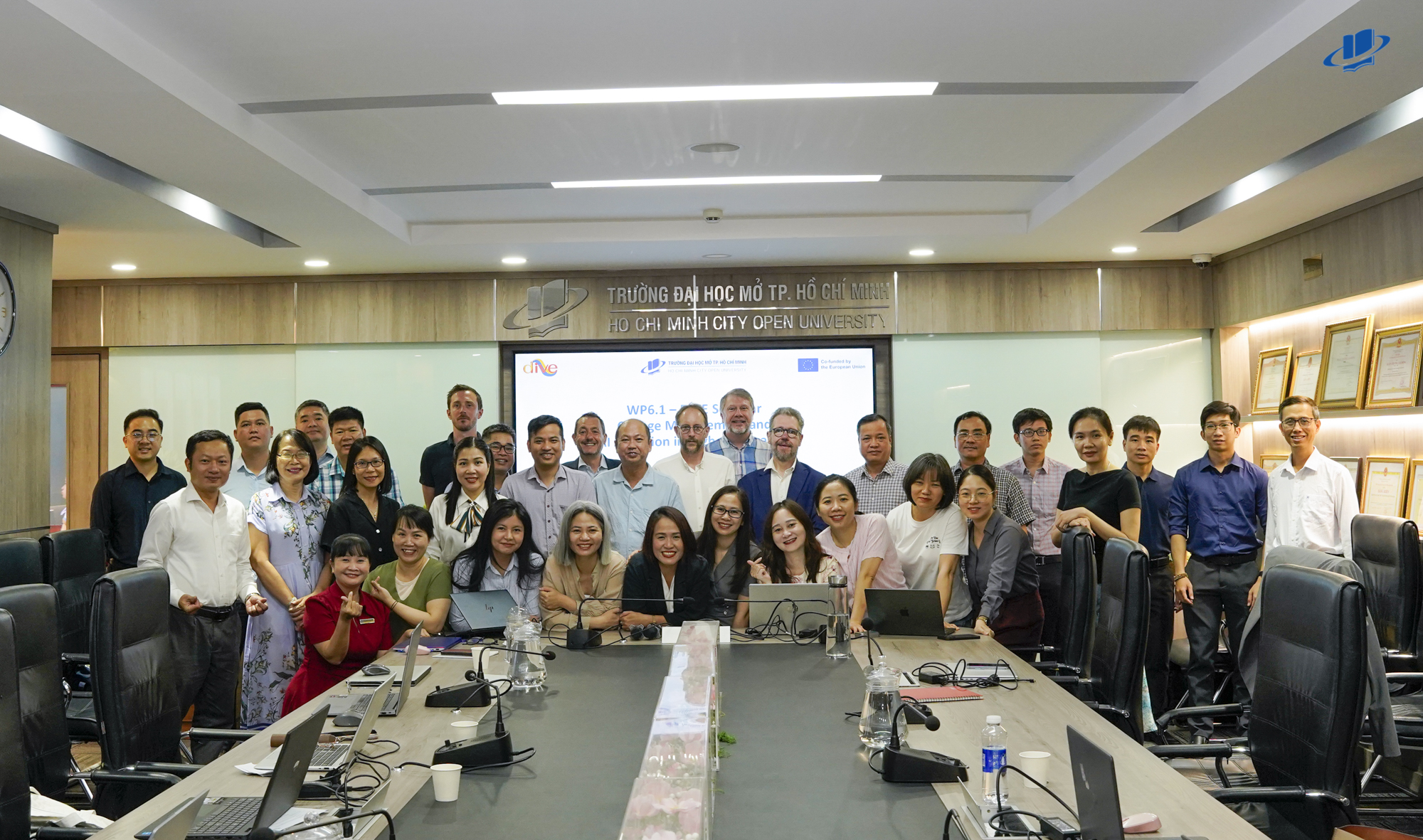
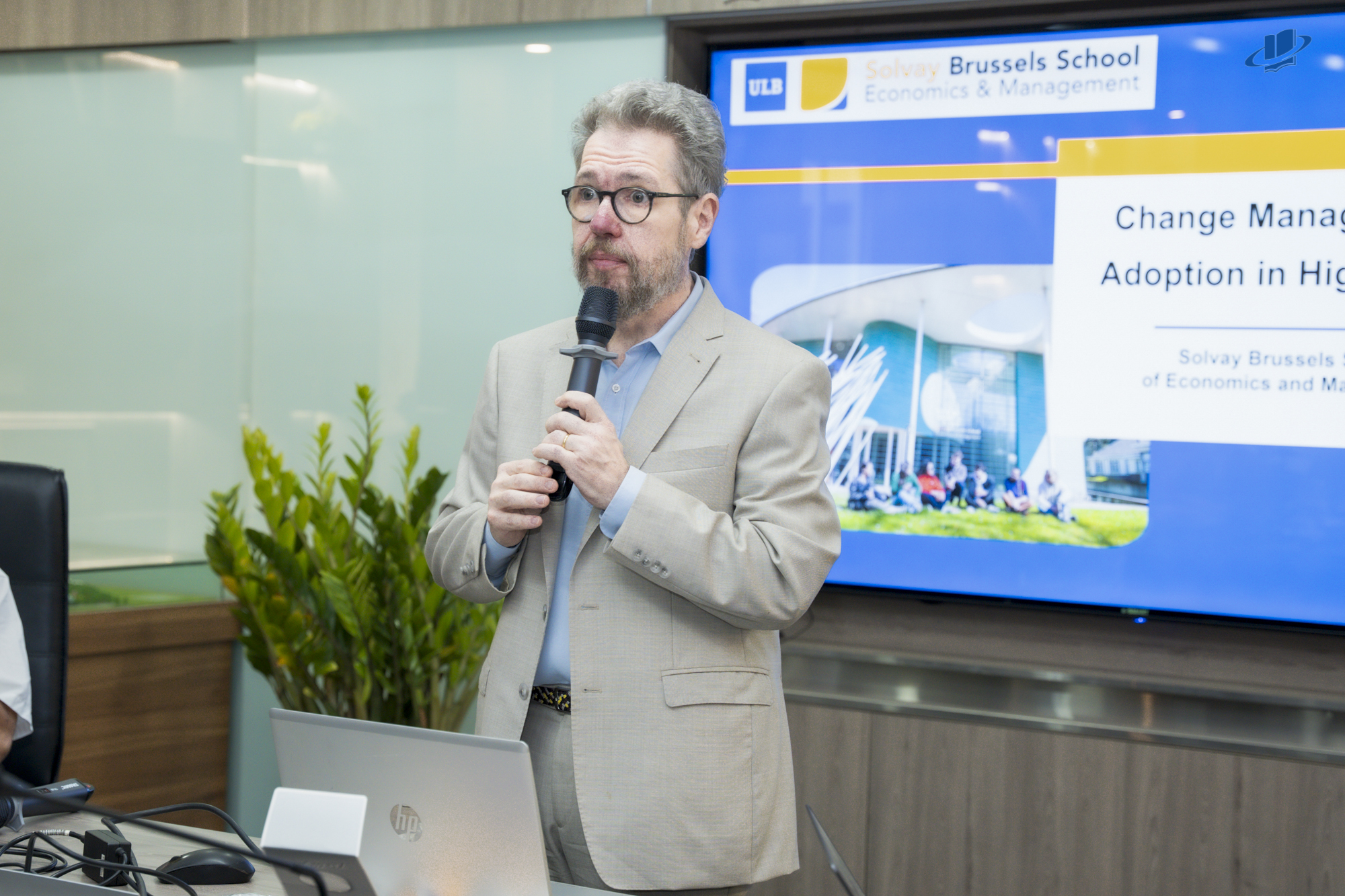
Attending the program, from Ho Chi Minh City Open University, there were: Dr. Le Thai Thuong Quan – Head of the Office of Cooperation and Scientific Management; Dr. Le Thi Thanh Thu – Director of the TESOL Joint Program; Dr. Johan Parisse – Professor of Human Resource Management at Solvay Brussels School (ULB) and an independent consultant specializing in change management and project management; and Mr. Diederick Legrain – an AI expert. The program also welcomed lecturers and participants from various universities in Vietnam and abroad.
The DIVE Project (Digital Innovation for Vietnam Education) is an Erasmus+ initiative running from 2024 to 2027, aiming to support Vietnamese higher education institutions in developing high-quality digital education. Ho Chi Minh City Open University has been involved in the project since its inception, demonstrating its strong commitment to international integration and innovation in higher education.
Program Highlights
Under the guidance of international experts, participants explored global digital transformation trends and the Vietnamese higher education context. The program introduced key change management frameworks such as Lewin’s model and Kotter’s 8-step model, while also addressing institutional barriers and enablers in AI adoption.
A key focus of the training was on organizational diagnosis and stakeholder management in the context of digital transformation. Participants were introduced to the PESTEL framework to analyze external factors, identify structural barriers (infrastructure, policies) and behavioral barriers (mindset, resistance), and apply the power-interest matrix to effectively manage stakeholders.

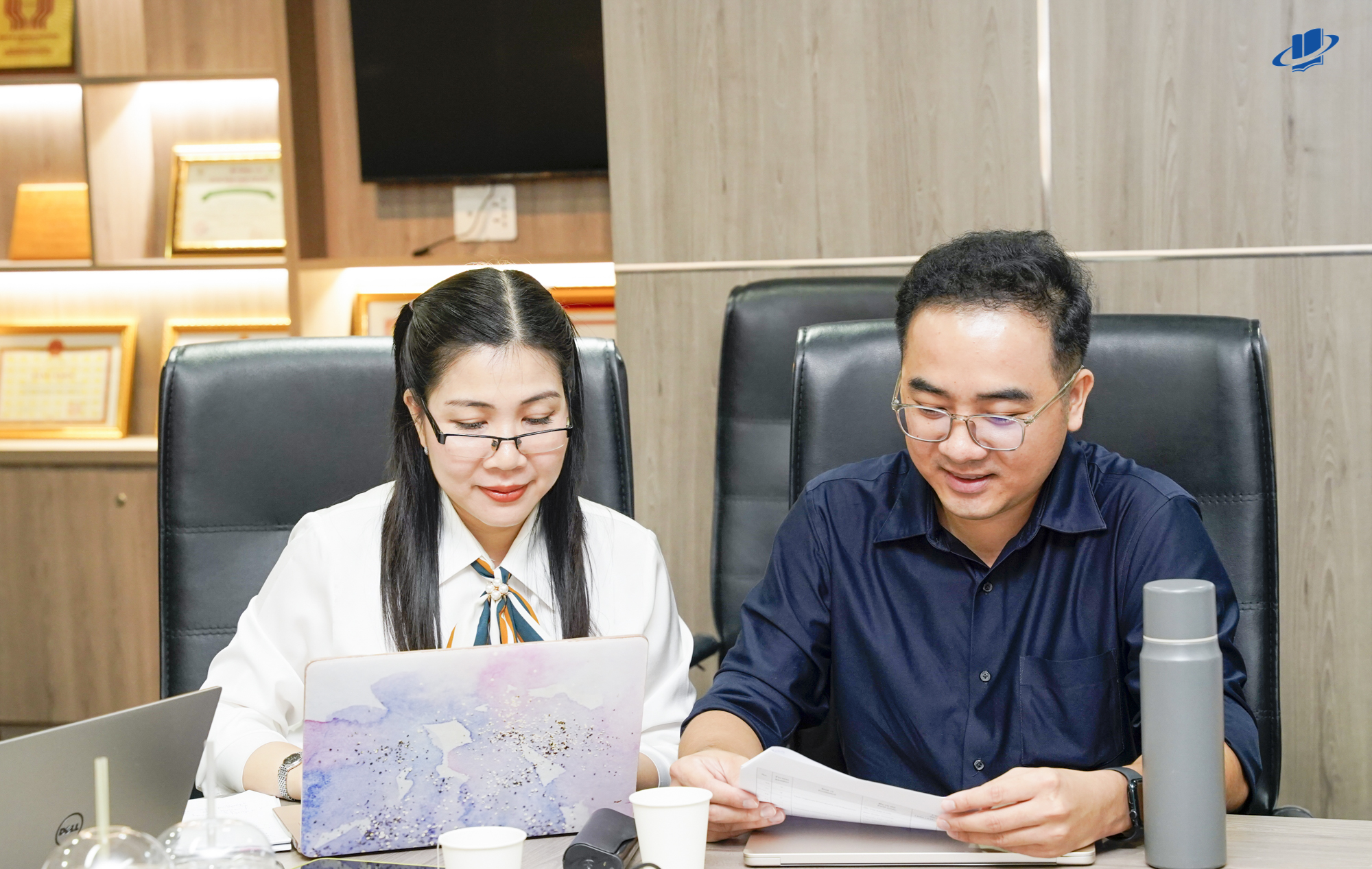
The program also emphasized the human dimension of AI adoption, including different types of AI-related anxiety, cultural characteristics in academia, and the “change curve” to better understand and manage resistance during transformation processes.
Participants had hands-on experience with AI tools such as Gemini and NotebookLM, applying them to academic and managerial tasks. They also worked on developing transformation roadmaps, designing a 90-day AI adoption plan, and building key performance indicators (KPIs) along with a dashboard to monitor implementation progress.
The training provided a collaborative space for educators and administrators to experiment, exchange ideas, and develop practical solutions tailored to their institutions. It contributes to enhancing digital transformation capacity, fostering innovation, and strengthening the adaptability of Vietnamese higher education institutions in a globalized context.
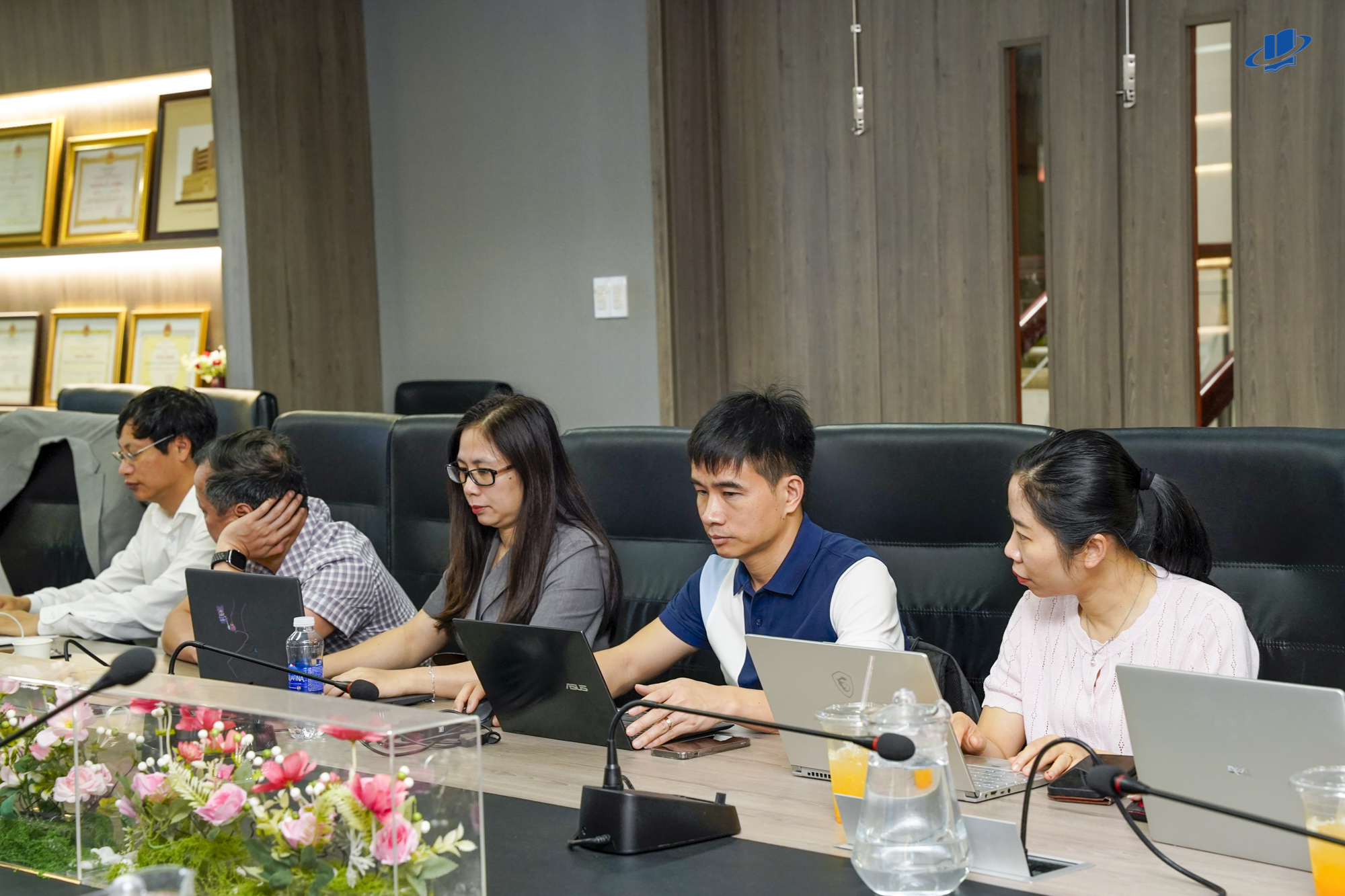
Some pictures of the program:
DIVE Seminar – Change Management and AI Adoption in igher Education
DIVE Seminar – Change Management and AI Adoption in igher Education
13-16 April 2026
Ho Chi Minh, Vietnam
LOCATION
Ho Chi Minh City Open University
97 Vo Van Tan Street, Ward 6, District 3, Ho Chi Minh City
OBJECTIVES
- To understand the dynamics of organizational change in higher education institutions undergoing digital transformation
- To analyze institutional barriers and enablers of digital and AI adoption in a politically sensitive context
- To develop structured and realistic transformation strategies combining change management and AI integration
- To design a practical institutional dashboard to monitor the progress of digital transformation
- To enable participants to move from awareness of AI tools to actionable institutional adoption plans
EXPECTED LEARNING OUTCOMES
By the end of the seminar, participants will be able to:
- Apply recognized change management frameworks to digital transformation in universities
- Diagnose institutional readiness and resistance factors
- Identify and engage key stakeholders in a hierarchical governance context
- Design a structured transformation plan aligned with institutional constraints
- Use AI tools (Gemini, NotebookLM) to support academic and managerial tasks
- Develop a 90-day AI adoption plan adapted to their institution
- Build a set of key performance indicators to monitor change and adoption
METODOLOGY
The seminar is structured over 4 days and combines:
- Conceptual inputs grounded in research
- Demonstrations of AI tools in real use cases
- Group-based institutional workshops
- Progressive construction of a transformation dashboard
Participants will work in small groups to develop outputs directly applicable to their institutions.
FINAL DELIVERABLES
By the end of the seminar, each group produces:
- A structured institutional diagnosis
- A stakeholder mapping
- A transformation roadmap
- A set of AI use cases
- A 90-day AI adoption plan
- A Change Dashboard with key indicators
ACADEMIC TEAM
Dr. Johan Parisse
Professor of Human Resource Management at the Solvay Brussels School Faculty of the ULB and independent consultant specializing in change management and project management. He supports public and private organizations in leading complex transformations, with a particular focus on digitalization and organizational adaptation. He brings extensive experience in executive training, notably in institutional and international contexts.
Diederick Legrain
AI consultant and professor specializing in the integration of artificial intelligence into organizations and education. He supports public and private institutions in navigating complex transformations, with a strong focus on practical adoption, workflow automation, and human–AI collaboration. He also delivers executive trainings and conferences, helping leaders anticipate and adapt to the strategic impact of AI.
PROGRAMME
DAY 1 – Monday, April 13
Morning – Understanding Change in Digital Transformation (J. Parisse)
09:00–10:30 Introduction to the seminar and strategic challenges of digital transformation in higher education
- Global and regional trends
- Specificities of the Vietnamese institutional context
- Tensions between policy-driven change and operational realities 10:30–10:45 Coffee break
10:45–12:15 Foundations of Change Management
- Lewin model: Unfreeze – Change – Refreeze
- Kotter’s 8-step model
- Institutional vs cultural change
- Case introduction: Saigon Tech University
12:15–13:45 Lunch
Afternoon – AI Adoption: Frameworks and Institutional Diagnosis (D. Legrain)
13:45–15:00 Conceptual input: Rogers’ Diffusion of Innovations applied to GenAI — perceived complexity as the dominant barrier (Springer, 2025)
- Five profiles of non-adopters: from “not ready” to identity tension (Springer, 2025)
- AI capabilities demonstration and individual maturity self-assessment: 5-dimension institutional framework (Frontiers, 2025)
15:00–15:15 Coffee break
15:15–16:00 Group workshop: institutional AI diagnostic and collective mapping
DAY 2 – Tuesday, April 14
Morning – Diagnosing Change and Stakeholder Dynamics (J. Parisse)
09:00–10:30 Organizational Diagnosis in Digital Transformation
- PESTEL adapted to higher education
- Institutional constraints (governance, infrastructure, policy)
- Identification of structural vs behavioral barriers 10:30–10:45 Coffee break
10:45–12:15 Stakeholder Analysis and Resistance to Change
- Stakeholder mapping (power/interest matrix)
- Professional resistance in academia
- Cultural dimensions of change
- Change curve and resistance mechanisms
12:15–13:45 Lunch
13:45–15:00 Conceptual input: three types of AI anxiety — learning, sociotechnical, displacement — and tailored responses (Scientific Reports, 2026)
- NotebookLM demonstration: knowledge management and document synthesis
- Gemini Deep Research: from query to structured briefing 15:00–15:15 Coffee break
15:15–16:00 Group workshop: execution of a real task using AI tools
- preparation of a briefing or synthesis of institutional documents
- decision support note for a faculty committee
- debrief: which anxiety type did you encounter?
DAY 3 – Wednesday, April 15
Morning – Designing and Leading Transformation (J. Parisse)
09:00–10:30 From Diagnosis to Action
- Structuring a transformation roadmap
- Governance of change
- Role of leadership and middle management
- Managing politically sensitive change 10:30–10:45 Coffee break
10:45–12:15 Transformation Strategy Workshop
- Definition of priorities
- Identification of quick wins
- Risk analysis
- Alignment with institutional constraints
12:15–13:45 Lunch
Afternoon – From Users to Creators: Vibe Coding and Digital Agency (D. Legrain)
13:45–15:00 Conceptual input: three-layer model for Vietnamese HE digital transformation — from Activation to Institutionalisation (SAGE, 2026)
- Live demonstration of “vibe coding”: building institutional tools without programming on Google AI Studio
15:00–15:15 Coffee break
15:15–16:00 Group workshop: creation of an AI-based tool
- AI literacy quiz or readiness diagnostic for your department
- decision support tool for a real institutional challenge
- onboarding or FAQ tool for faculty and staff
DAY 4 – Thursday, April 16
Morning – Monitoring Change and Building a Dashboard (J. Parisse)
09:00–10:30 Measuring Change and Performance
- Principles of effective indicators
- Leading vs lagging indicators
- Common pitfalls in public sector measurement 10:30–10:45 Coffee break
10:45–12:15 Workshop: Building an Institutional Change Dashboard
- Definition of key indicators
- Data sources and governance
- Assignment of responsibilities
- Preparation of final outputs
12:15–13:45 Lunch
Afternoon – AI Adoption Plan (90 Days): From Evidence to Action (D. Legrain)
13:45–15:00 Conceptual input: main barriers in Vietnamese HE — habits, data reliability, organisational resistance (Taylor & Francis, 2026)
- Three-phase adoption plan: Activate (D1–30), Implement (D31–60), Institutionalise (D61–90)
- Identification of priority use cases, champions, and KPIs aligned with the Change Dashboard
15:00–15:15 Coffee break
15:15–16:00 Final presentations and wrap-up. Next steps of the programme and forthcoming objectives within the DIVE project, presented by Jean-Baptiste Maillard.
The Replication Day implemented across participating institutions.
As part of the DIVE project activities and under Work Package 4, The Replication Day has been actively organized and implemented across participating institutions.
Let's take a moment to highlight a selection of events and memorable moments from National Economics University (NEU), Industrial University of Vinh (IUV), and Tay Nguyen University (TNU) through the following series of posts.
Link NEU: https://web.facebook.com/
Link TNU: https://www.facebook.com/
Link IUV: https://iuv.edu.vn/hop-tac/


Innovative Horizons: DIVE Project Concludes Insightful Study Tour in Belgium
From March 9–13, 2026, Vietnamese partners of the DIVE project gathered in Belgium for a comprehensive study tour focused on the future of digital education and institutional innovation. Hosted by EFMD and ULB, the week-long programme offered a deep dive into how technology is reshaping higher education. The journey began at the Solvay Brussels School (ULB), where participants explored the "State of the Art" of the DIVE project and engaged in intensive workshops on Artificial Intelligence in Teaching and Learning. These sessions covered everything from the mechanics of Large Language Models to institutional strategies for adopting AI responsibly.
Throughout the week, the delegation balanced academic rigour with site visits, including:
• Policy and Governance: Meetings with the EACEA and a visit to the Parliamentarium to understand the European legislative context.
• Technological Innovation: A visit to FARI (AI for the Common Good) and the Learning and Innovation Centre at ULB.
• Regional Excellence: A trip to Hogeschool VIVES in Kortrijk to witness digital education in practice and exchange ideas with the Flemish Inter-University Cooperation Agency (VLIR-UOS).
The tour concluded at ARES in Brussels, where the focus shifted to practical applications. Participants shared insights on international cooperation and explored digital tools like Moodle, H5P, and Dynamo to enhance student monitoring and interactive learning. This study tour marks a significant milestone for the DIVE project, equipping partners with the pathways and tools needed to integrate AI and digital excellence into their own institutions.


UEL and European partners share experiences in applying AI in teaching.

Representatives from 14 universities and organizations from Spain, Belgium, and Vietnam attended the event, including the European Foundation for Management Development (EFMD), European partner universities (Universidad Nacional de Educación a Distancia – UNED, Universidad de Alicante – UA, Université Libre de Bruxelles – ULB, French Vietnamese School of Management – CFVG), along with 10 Vietnamese member universities of the DIVE Project such as the National Economics University, Nha Trang University, Can Tho University, University of Technology and Education – The University of Danang, Vinh Industrial University, Ho Chi Minh City Open University, and others.
In his opening remarks, Dr. Trần Thanh Long, Vice Rector of UEL, emphasized that the seminar served as an opportunity for European and Vietnamese universities to share experiences, policies, and models for applying artificial intelligence in teaching. The initiative aims to strengthen the connection between higher education and the needs of the digital labor market, thereby enhancing students’ employability after graduation. A representative of EFMD also highly appreciated UEL’s coordinating role in connecting the network of universities participating in the DIVE project and expressed expectations that policy recommendations from the seminar would be disseminated at both institutional and system levels.

Vice Rector Trần Thanh Long delivered the opening remarks at the seminar.

A representative of the European Foundation for Management Development (EFMD) shared insights at the seminar.
The morning program featured a plenary session with presentations on “AI in Teaching and Learning: Opportunities and Challenges for European and Vietnamese Universities” and “Institutional Policies to Enhance Students’ Employability in the Digital Era.” Following the morning sessions, the afternoon program included group presentations on topics such as skills for students in the digital era; curriculum design and assessment in AI-integrated learning environments; issues of academic integrity; and short-term credentials linked to employability.


Domestic and international speakers shared various insights on applying AI in teaching and enhancing students’ competencies.
At the conclusion of the seminar, representatives of the DIVE Project and the University of Economics and Law consolidated policy recommendations for both European and Vietnamese contexts. Key highlights included developing institutional strategies for AI integration in teaching; building digital and AI competency frameworks for learners; strengthening quality assurance mechanisms and academic integrity in digital environments; and promoting international cooperation in research and training aligned with digital transformation.


In addition to the presentations delivered during the sessions, in the afternoon working segment the DIVE project teams discussed and presented ideas to address practical challenges across various topics related to the application of AI in teaching.
“Student Life and Support Services” course at The University of Technology Education – The University of Danang
On July 7, 2025, the University of Technology Education – The University of Danang (UTE-UD) successfully organized a training workshop titled “Student Life and Support Services” as part of the DIVE Project (Digitalising Vietnamese Education). The project is funded by the Erasmus+ Programme of the European Union.
The workshop brought together representatives from 14 universities in Vietnam and Europe participating in the DIVE Project. This included three European universities Universidad Nacional de Educación a Distancia (Spain), Universidad de Alicante (Spain), and Université libre de Bruxelles (Belgium) and ten Vietnamese universities: UTE-UD, National Economics University, Can Tho University, Vinh University of Industry, Nha Trang University, Thai Nguyen University, University of Economics and Law (Ho Chi Minh City), Ho Chi Minh City Open University, Hue University of Agriculture and Forestry, and Tay Nguyen University.
The workshop featured dynamic discussions among delegates aimed at strengthening student support in digital and distance education. Participants shared best practices using the “Community of Inquiry Framework” and “Seven Principles of Good Practice in Higher Education.” The sessions also guided attendees in developing a Digital Services Development Strategy to enhance the effectiveness of student support services.
Bringing together international experts, project partners, and a dedicated community of educators with a shared vision of advancing digital integration and innovation in higher education, the workshop concluded on a high note. It marked a significant step toward enhancing UTE-UD’s readiness and that of Vietnamese higher education institutions for digital transformation.


WP4: Course delivery and pedagogical innovation
The DIVE Project recently wrapped up its workshop on Course Delivery and Pedagogical Innovation, drawing enthusiastic participation from over 90 educators across Vietnamese and international partner universities. The event focused on advancing teaching practices in higher education through digital tools, creative methodologies, and emerging technologies.
Throughout the workshop, participants explored key themes such as the use of generative artificial intelligence in teaching, the design of innovative learning environments, and the application of e-learning principles to enhance student engagement. Special attention was given to practical content creation techniques, including how to develop voice-over presentations and use markdown tools to streamline slide production.
The workshop fostered rich discussions and exchange of experiences among participants, highlighting both the opportunities and challenges in modernizing higher education. Educators left with actionable insights and tools to implement in their institutions, reinforcing DIVE’s mission to support inclusive, forward-thinking, and digitally empowered higher education in Vietnam.
This event marks another step forward in the DIVE Project’s commitment to driving meaningful change in course delivery and pedagogical innovation.
DIVE National Round Table 1 Inspires Collaboration and Innovation
A Celebration of Progress and Partnership
The opening session on 25 March kicked off with a sense of excitement and purpose. Prof. Dr. Pham Hong Chuong, Director of NEU, welcomed participants, both in-person and online, underscoring the importance of cross-border collaboration in shaping future-ready education.
Assoc. Prof. Dr. Fabien De Geuser (CFVG, NEU) and Dr. Le Viet Thuy (Applied IT Centre, NEU) led an inspiring presentation on the DIVE project’s achievements after its first year. Their message was clear: Vietnam is ready to embrace bold digital solutions to expand access and improve the quality of education.
From the highlands of Tay Nguyen to the coastal universities of Da Nang and Nha Trang, the first session was a powerful showcase of Vietnamese universities’ efforts to implement and scale digital learning:
-
Dr. Tong Thi Lan Chi highlighted the rapid evolution of digital education in Vietnam, setting the stage for deeper discussions.
-
Dr. Phan Nguyen Duy Minh shared a fascinating case study on applying digital tools to enhance engineering education at the University of Da Nang.
-
Universities including Thai Nguyen University of Education, Vinh Industry University, Nha Trang University, Can Tho University, and Hue University of Agriculture and Forestry detailed their groundbreaking work under the DIVE project’s key focus areas: curriculum innovation, inclusion, and quality assurance.
The dialogues were lively, practical, and above all, collaborative—reflecting a shared determination to rethink traditional education in favor of a more agile, tech-driven future.
European Insights and Global Exchange
As the day shifted into evening, the conversation moved seamlessly into the global arena. European partners joined via online platforms, sharing transformative models and best practices:
-
Prof. Dr. Sergio Martin (UNED) unveiled the innovative UNED Hub, designed to help mature learners thrive in virtual environments.
-
The EFMD team presented pioneering ideas on digital quality assurance and accreditation standards.
-
Dr. Mario Guillo captivated the audience with strategies for building intuitive learning platforms to boost student engagement.
-
Université libre de Bruxelles (ULB) rounded off the session by offering invaluable insights on supporting faculty in developing digital competencies and institutional strategies.
It was a masterclass in global knowledge exchange: east and west learning from each other, with a mutual commitment to driving excellence and equity in education.
The second day offered participants a hands-on experience. They toured the cutting-edge digital infrastructure at NEU—proof that the university is not just talking about digital transformation, but living it.
More Than an Event—A Movement
The DIVE National Round Table 1 was more than a conference; it was a rallying point for Vietnam’s higher education community. It showcased how, with the right vision and partnerships, digital transformation can be a powerful tool for inclusion, quality improvement, and innovation.
As the participants parted ways, they carried home a clear message: the journey of reimagining Vietnamese higher education for the digital age has only just begun. And it’s a journey they’ll continue together.


DIVE Replication Day at Vietnamese universities
The DIVE Replication Day took place last week at the DIVE school members, bringing together experts and educators to discuss the future of digitalization in education. The event served as a meaningful platform to explore how digital models can be integrated into the Vietnamese educational system, especially in the context of rapid technological advancement.
The various workshops featured a keynote presentation by seed members discussing their advantages and limitations, while also emphasizing the importance of adapting these models to fit the unique characteristics of Vietnam’s educational landscape. The workshops sparked engaging discussions on the practical implementation of digital tools in teaching and learning.


DIVE Study tour in Spain
DIVE member universities in Vietnam worked at UNED and University of Alicante, Spain to discuss strategies to strengthen digital education in Asian countries. The aim of the program is to prepare Vietnamese universities for digital transformation, through training, innovative strategies and the development of a digital culture in higher education.


UNED Promotes a New Digital Era in the Vietnamese Education System
As part of the DIVE (Digitalising Vietnamese Education) project, supported by Erasmus+, UNED is playing a crucial role in guiding Vietnamese universities towards the digital stage.
The third training seminar of the DIVE project took place at the University of Economics and Law (UEL) in Ho Chi Minh City and focused on ensuring the quality of digital education. This program marks a significant step forward in the modernization of Vietnam's higher education system. The main purpose of the working content is to create conditions for member universities to exchange with experts from organizations and universities from Europe about opportunities, challenges and tools to help enhance digital education capacity and training quality assurance at universities.

The DIVE project, coordinated by EFMD Global, a non-profit international network promoting excellence in higher education, brings together three prestigious European institutions: Université Libre de Bruxelles, the University of Alicante, and UNED. These institutions are guiding 11 Vietnamese universities on their journey toward digital transformation, with the goal of developing their own strategic digitalization plans.
Ángeles Sánchez-Elvira, Director of the UNESCO Chair in Distance Education (CUED) and head of UNED's team in DIVE, organized the seminar and shared her vision for creating a program that addresses the unique challenges of digital education in the Vietnamese context.

Interactive and collaborative sessions have been key in creating a new educational paradigm in Vietnam. The series of meetings featured international experts such as Miguel Santamaría, former Vice-Rector of UNED, and representatives from institutions like EFMD and the Solvay Brussels School. These sessions explored key topics such as institutional strategies, online course design, and support for students and academic staff in digital environments.

The next chapter of this international collaboration will take place in Spain, where Vietnamese university leaders will visit UNED and the University of Alicante. This visit will provide them with the opportunity to see firsthand how technology is integrated into various European educational models.
DIVE Project Hosts Online Training on Enhancing Inclusion in Higher Education through Digital Learning
Digital Transformation as a Component of Higher Education Institutions
From June 11 to June 14, 2024, the first training course of the DIVE project, themed "Digital Transformation as a Component of Higher Education Institutions," was held at Hue University of Agriculture and Forestry. This event was part of the project “Enhancing Digital Inclusion in Vietnamese Higher Education Institutions” (DIVE).
According to the DIVE project training program, participants engaged in a comprehensive study on various topics including: an overview of digital education within higher education institutions, strategies and roadmaps for developing digital education, the design of digital education programs and content, technology in digital education, digital skills development and enhancement for educators, and supporting students in digital education.
The training course provided valuable information, particularly in the areas of designing and developing digital lectures, organizing training in a digital environment, creating digital teaching materials, and digital administration. This foundation is crucial for advancing high-quality digital education in universities across Vietnam, including Nha Trang University. Upon completion of the course, participants received certificates of attendance.
In conjunction with the training activities, representatives from participating Vietnamese institutions had a meeting with the project coordination unit (CVFG) to discuss challenges and issues related to project implementation procedures. The CVFG coordination unit acknowledged the feedback and discussions, especially those related to partnership contract details and the transfer of project funds to member institutions. The coordination unit committed to addressing these issues and resolving any difficulties for the institutions as promptly as possible.

Kick-off Meeting of DIVE Project Launches at UEH, Vietnam
The DIVE (Digital Transformation in Vietnamese Higher Education) Project officially launched with a kick-off meeting held at the University of Economics Ho Chi Minh City (UEH), marking the beginning of a significant initiative aimed at modernizing Vietnam’s higher education sector. The event brought together representatives from 14 partner institutions, including 10 Vietnamese universities and 4 foreign universities.
Funded by the European Commission through the Erasmus+ program, the DIVE Project has a total budget of €794,524 and will run from 2024 to 2027. The project aims to support the digital transformation and modernization of higher education institutions across Vietnam by enhancing institutional capacities, developing digital strategies, and creating a national digital education network.
During the meeting, participants reviewed and discussed the project’s budget plans, roadmap, and the structure of eight distinct work packages. Key activities of the DIVE Project will include faculty and staff training, strategy development, creation of a national digital education network, and organization of national roundtable workshops. These efforts are designed to raise awareness and promote best practices in digital transformation within Vietnam’s higher education landscape.
The kick-off event at UEH marks a promising step forward in fostering international cooperation and innovation to transform Vietnam's higher education for the digital era.


Study tour in Belgium
T4.4 – Study tour in Belgium
9-13 March 2026
Brussels, Belgium
LOCATION
EFMD
Rue Gachard 88
1050 Brussels, Belgium
Solvay Brussels School of Economics and Management
Avenue Franklin Roosevelt 42
1050 Brussels, Belgium
Contact
Jean-Baptiste MAILLARD
+33 6 72 47 37 52
Jean-baptiste.maillard@efmdglobal.org
Léonie KAHLE
+32470524203
PROGRAMME
- Structure of a study trip day
- From 10:00 to 14:00
- One location only if possible
- EU institutions
- EU Commission
- To be explored by Léonie
- EACEA
- See if CFVG wants to contact / invite the project officer
- Other Belgian HEIs
- HENALLUX on DE pedagogy
- To be explored by Jean-Baptiste
- KU Leuven / UCLouvain
- To be explored by Jean-Baptiste
- ULB structures
- Online library with Magda on numerical spaces
- R42 with Claudia Thomas on AI lab
- Students
- ESN / Student Union
- To be explored by Jean-Baptiste
- ULB Inforjeunes / Inforemploi
- To be explored by Léonie
- HE stakeholders
- ESN / Student Union
- HENALLUX on DE pedagogy
- EU Commission
CULTURAL EVENTS
- Ideas to be explored:
- AB InBev (Leuven)
- Belgian chocolate village (Koekelberg)
- Parlementarium (Luxembourg square)
- Surrealism (Royal square)
TENTATIVE PROGRAMME
Monday 9/03 at ULB Solvay => Léonie
- Welcome session
- Inforjeunes/ Infor emploi
- Lab comportemental
- Intervenant extérieur
Tuesday 10/03
- Visit European Commission :
- Speaker DIG COMP TBD => Léonie
- Visit Parliament / EACEA
- Welcome dinner La Mirabelle or Auberge de Boondael
Wednesday 11/03 in Leuven
- Cultural Visit
Thursday 12/03 at ULB la Plaine - Learning and Innovation Center - “Numerical spaces”
- 10:30 : Visit guidée du bâtiment avec un project manager (VUB) 30 magda
- 11-12 : QA session 1H (boarding room) Magda
Lunch sodexo (logistique Léonie)
- 12:45 : AI strategy faculty/uni & Prompt engineering (salle apprentissage actif)
- Speaker : Magdalena
Other speaker :
Friday 13/03 => JBM
- Visite EFMD
- Inviter HENALLUX / HEC Liège
- Cultural Visit : Belgian Chocolate Village or Magritte Museum
Coordinator Meeting at Ho Chi Minh City Open University on January 19, and National Round Table 2 at the University of Economics and Law, Ho Chi Minh City
On 19 January 2026, the DIVE project will organize a key event combining the preparation for the DIVE Coordinator Meeting with the National Round Table 2 (NRT2). This event will bring together project partners, higher education institutions, and external stakeholders to reflect on progress and future directions.
National Round Table 2 will focus on AI and digital transformation in higher education, addressing topics such as AI in teaching and learning, digital-ready curricula, academic integrity, micro-credentials, e-portfolios, and student employability in the digital era. Through presentations and group discussions, participants will compare experiences from European and Vietnamese universities and explore opportunities, challenges, and practical solutions for deploying digital education in Vietnam.
The objectives of the event are to showcase key results of the DIVE project, share outcomes with a broader external audience, and promote the DIVE Network. It also provides an opportunity to invite new institutions and stakeholders to join the network and contribute to the sustainable development of digital education and employability initiatives.
Students’ Employability
WP4 Digital Education in Practice
T4.3 – Training on Students’ Employability
Module 1: Understanding how students' professional skills and capabilities are developed in DE (UA)
- Video 1: Distance education and employability:
- Context
- Importance of the career services at the Universities
- Implication for professional skills development
- Video 2: Experiential Learning and integrating the skills:
- Internships, Work Placements and volunteering
- Seminars and workshops
- Use of digital technologies to enhance the capabilities.
- Video 3: Continuous improvement:
- Feedback from students and employers
- Continuous improvement and adaptability to all grades/ courses. Activities transversality
- Good practices
Module 2: Understanding how to consolidate employability of DE graduates (UA)
- Video 1: Strategic partnerships and career support:
- Concept of employability.
- Relationships with other institutions and companies.
- Challenges for alumni in the job market.
- Video 2: Market analysis and data:
- Occupational observatory. Statistics.
- Market research. Analysis of changes and needs.
- Video 3: Digitalisation to Support Employability: E-Portfolios
- Portfolios & Employability
- E-portfolios vs traditional CVs
- Types of E-porfolios & resources
Module 3: Understanding Understanding the EU digital competence framework (DigiComp) (ULB)
- Videos to be proposed by ULB
D3.1 – Training cycle: Digital Education and Modernisation of Higher Education
Course delivery and pedagogical innovation
Opening Webinar: Friday, April 11th (2 hours) 10h-12h
Agenda:
- Introduction 5 minutes
- Workpackage and overview of the Module (T4.1) (20 minutes) Daniela/Catherine + Magda
- Icebreaker Activity (Wooclap) (10 minutes) Magda
- Pedagogical Innovation and the Future of Education (30 minutes) Magda
- Methodology of the course and assignments (20 minutes) [*examples of assignments are listed below the plan] Mario + Magda
- Comments and closing Remarks - (10 minutes)
1. Generative Artificial Intelligence:
1.1. Generative Artificial Intelligence - Introduction
1.2. Generative Artificial Intelligence in Teaching Practice
2. Innovative Practices in Higher Education
2.1. Innovative Learning Spaces in Higher Education
2.2. Survey on Innovative Teaching Practices – SBS-EM Case Study
3. E-learning principles
3.1. E-learning principles (part 1)
3.2. E-learning principles (part 2)
4. Content creation
4.1. Creating digital content: slides.
4.2. Easy guide to creating voice-over presentations.
4.3. Advantages of creating slides with Markdown and remark.
Closing Webinar: Friday, April 29th (2 hours) 10h-12h
- Recap of the Module (15 minutes): Review of the key points from the videos and exercises
- Participant Presentations (110 minutes)
- Chances & Challenges in the Age of Digital Education (20 minutes)
- Take-home message and Closing Remarks (15 minutes)

Co-funded by the European Union. Views and opinions expressed are however those of the author(s) only and do not necessarily reflect those of the European Union or the European Education and Culture Executive Agency (EACEA). Neither the European Union nor EACEA can be held responsible for them.